

Standing majestically on the sacred banks of the Bagmati River, the Pashupatinath Temple Kathmandu isn’t just a religious site. It's the spiritual heartbeat of Nepal. Dating back to the 5th century CE, this ancient shrine dedicated to Lord Shiva has witnessed centuries of devotion, rituals, and renewal.
Recognized as a UNESCO World Heritage Site (UNESCO, 1979), Pashupatinath continues to draw over a million pilgrims and travelers each year, especially during Maha Shivaratri, when the air fills with chants, incense, and unwavering faith (Nepal Tourism Board).
Whether you seek spiritual solace, cultural immersion, or a glimpse of Nepalese architectural excellence, visiting Pashupatinath offers a profoundly memorable experience.
History and Significance: A Legacy of Faith
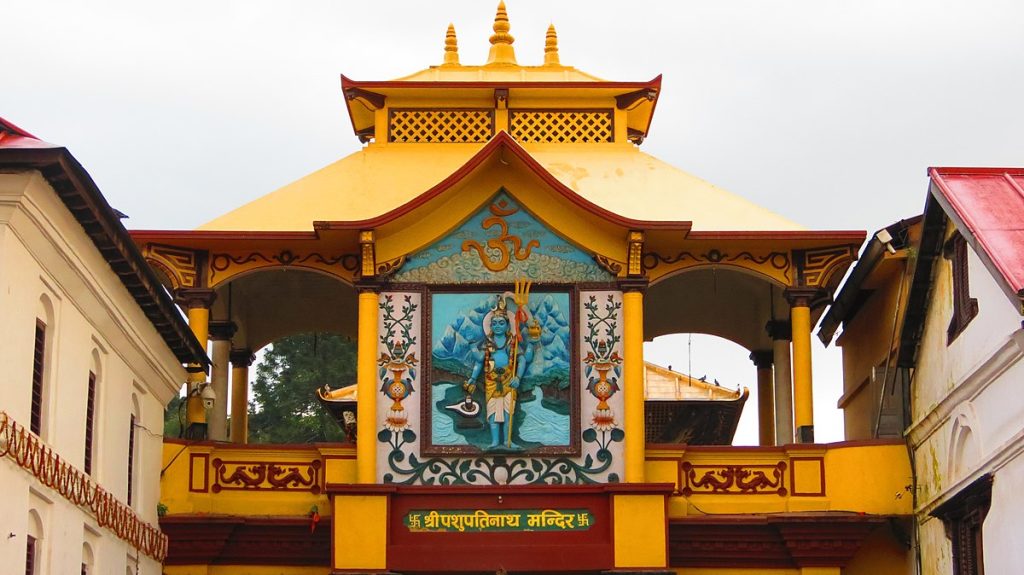
Pashupatinath Temple’s recorded history goes back to the 5th century CE, when the Licchavi dynasty was flourishing in the Kathmandu Valley. Per Wikipedia, the temple precinct spans about 246 hectares and includes over 500 smaller temples, shrines, and ashrams, marking it as one of South Asia’s oldest temple complexes.
Legend surrounds its origin: one story tells that Lord Shiva once walked as a deer; one of its antlers broke and became the first Shivalinga worshipped here. Another tradition says a cow regularly poured its milk over the earth at this spot, leading locals to uncover the sacred linga (mypridenepal).
Over the centuries, the temple has seen many phases of royal patronage and reconstruction:
- Licchavi King Supuspa Deva (circa 5th century) is credited with significant early development, some chronicle sources say he built a five-story temple over the original linga.
- Malla Era (13th–14th centuries) brought enhancements including gilded roofs, elaborate wood carvings, and ornate silver doors.
- In the 17th century, King Bhupatindra Malla is often credited with major rebuilding after damage, reinforcing temple structure, restoring woodwork, and preserving key architectural ornamentation.
In 1979, Pashupatinath was officially designated a UNESCO World Heritage Site, recognizing its rich tapestry of architecture, religious significance, and cultural heritage within the Kathmandu Valley monument group.
Location and How to Reach
Pashupatinath Temple Kathmandu lies about 5 kilometers east of Kathmandu Durbar Square and just 2.5 kilometers from Tribhuvan International Airport, perched along the sacred Bagmati River. Its close proximity makes it one of the most easily accessible spiritual landmarks in the Kathmandu Valley, drawing visitors from both near and far.
From Inside Kathmandu Valley
Taxi or Private Car:
Taxis are available throughout the city and are the most convenient way to reach the temple, especially for early morning darshans. The drive takes around 20–30 minutes depending on traffic. Negotiate the fare beforehand for a smooth journey.
Local Bus:
Budget travelers can hop on buses from Ratna Park heading toward Gaushala or Pashupatinath. These buses run frequently and are a great way to experience local life while traveling economically.
Walking Option:
If you’re staying in nearby areas like Gaushala or Mitrapark, walking to Pashupatinath is possible. The route passes through lively local markets and gives a glimpse into daily Kathmandu life.
From Outside the Kathmandu Valley
By Air:
Visitors arriving from outside Nepal or other regions can fly into Tribhuvan International Airport (KTM) — the country’s main gateway. From the airport, a short taxi ride of 10–20 minutes will take you directly to the temple entrance.
By Long-Distance Bus:
If arriving via long-distance bus, you’ll likely disembark at Gongabu Bus Park or Kalanki Bus Park. From either terminal, taxis and local buses offer direct connections to Pashupatinath.
For those wanting a more personalized journey, hiring a local guide or private driver is recommended. It's not just for comfort, but also to gain deeper insights into the temple’s spiritual and cultural heritage.
For tips on accommodations suitable for pilgrims visiting Kathmandu, see Hotels for Pilgrims in Kathmandu.
Temple Architecture and Complex Overview
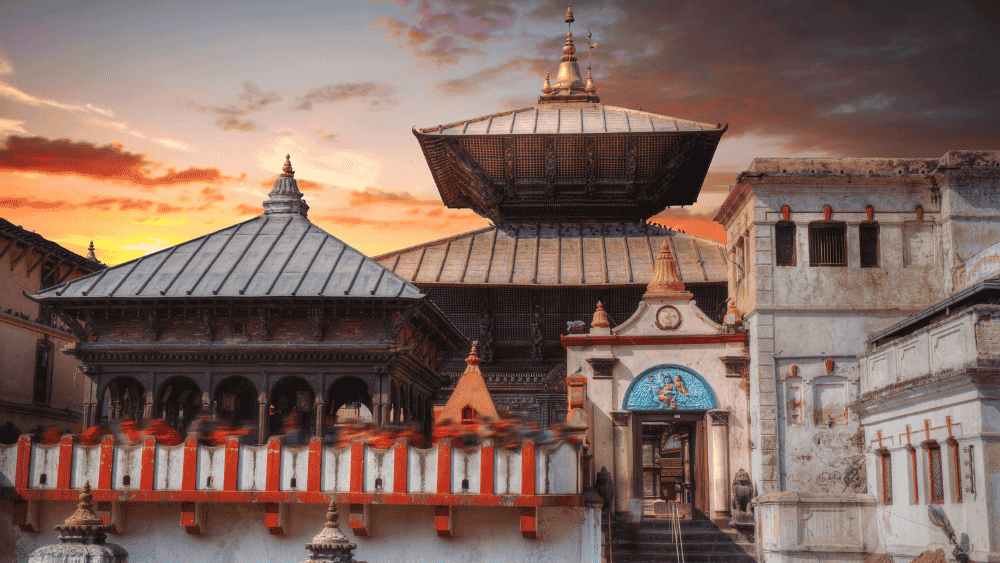
The Pashupatinath Temple kathmandu is a striking two-tier pagoda-style structure adorned with gilded roofs and intricately carved silver doors, showcasing Nepal’s traditional architectural mastery (Wikipedia). At the heart of the temple lies the Chaturmukhi Shiva Linga, featuring four faces Sadyojata, Vamadeva, Tatpurusha, and Aghora and each representing different aspects of Lord Shiva.
The temple complex spans a vast area along the Bagmati River, encompassing over 500 smaller shrines, ashrams, and meditation caves, with architectural styles ranging from pagoda and shikhara to dome structures, reflecting centuries of religious and cultural evolution. The ghats along the river serve as active cremation sites, offering a profound insight into Hindu rituals and beliefs about life and death.
Hidden within the complex are Buddhist meditation caves and Tantric worship sites, adding layers of spiritual depth and historical significance. Access to the main temple is restricted to practicing Hindus, but non-Hindu visitors can respectfully observe the ceremonies from terraces on the opposite bank, allowing a full appreciation of the temple’s sacred atmosphere.
Rituals and Religious Practices
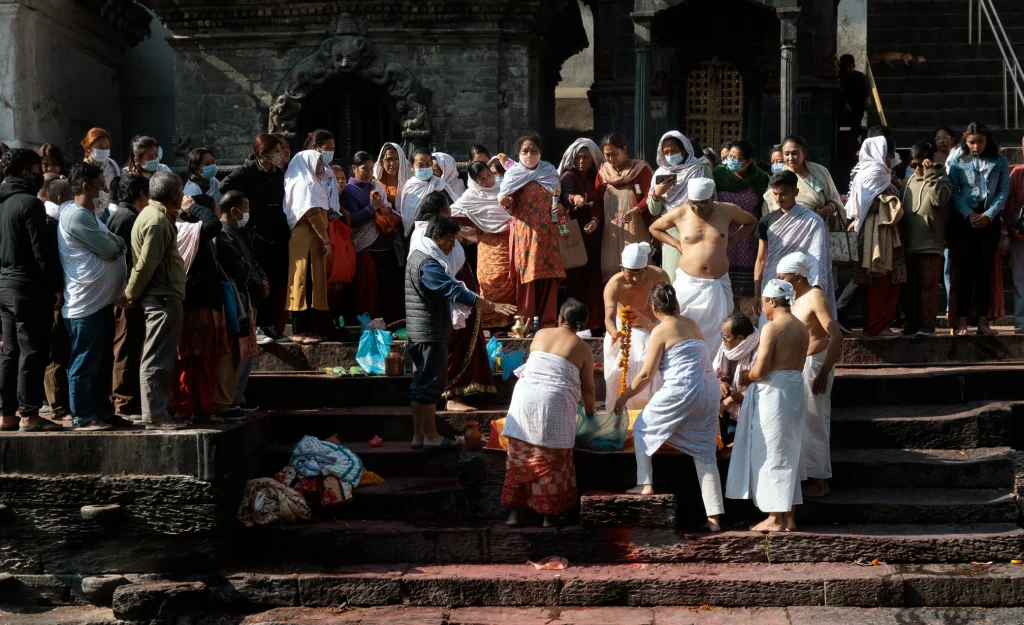
Pashupatinath Temple is renowned for its morning and evening aartis, where priests perform intricate rituals involving fire, incense, and devotional chanting, creating a deeply spiritual atmosphere. The Bagmati River plays a central role in purification rituals and cremation ceremonies, symbolizing the cycle of life and death.
Visitors can witness cremation rites at Arya Ghat and other river ghats, which offer profound insights into Hindu traditions and beliefs. During the evening aarti, the riverside comes alive with fire, light, and sacred chants, providing a mesmerizing experience, especially for foreign travelers.
Non-Hindu visitors are welcome to observe the rituals from terraces on the opposite bank, ensuring respectful participation while experiencing the temple’s spiritual essence. Proper etiquette is essential: maintain silence, dress modestly, and follow photography guidelines to honor the sacred environment.
Best Time to Visit: When to Experience the Divine
The best time to visit Pashupatinath Temple is during spring (March–May) and autumn (September–November) when the weather is pleasant, skies are clear, and the atmosphere is ideal for exploring. These months also align with major festivals like Dashain and Tihar, adding a spiritual charm to your visit.
For a calmer experience, avoid big festivals like Maha Shivaratri, when thousands of devotees gather for all-night prayers and rituals. But if you wish to witness the temple’s energy at its peak, visiting during Maha Shivaratri or Teej offers an unforgettable cultural experience.
Insider Tip: Evening visits during festivals reveal a breathtaking sight. Thousands of oil lamps glowing along the Bagmati River, creating a peaceful and divine ambiance.
Nearby Attractions: Exploring Kathmandu’s Spiritual Landscape
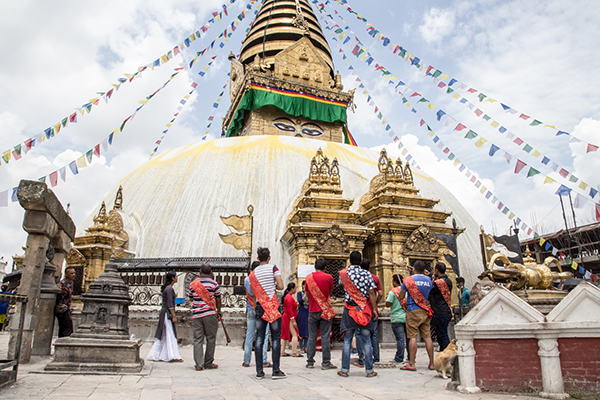
Swayambhunath (Monkey Temple) – Perched on a hilltop west of Kathmandu, this ancient shrine offers panoramic views of the city and a deep connection to Buddhist spirituality. Its mix of shrines, monkeys, and prayer wheels creates a unique cultural experience.
Boudhanath Stupa – One of the largest and most sacred Buddhist stupas in the world, this UNESCO World Heritage Site radiates peace with its massive white dome, fluttering prayer flags, and the all-seeing eyes of the Buddha watching over the valley.
Guhyeshwari Temple – Located close to Pashupatinath, this temple is one of the most important Shakti Peeths in Hinduism, dedicated to Goddess Parvati. It’s especially significant for devotees performing tantric rituals.
Kopan Monastery – A tranquil Buddhist monastery on a hill north of Boudhanath, Kopan offers meditation courses, serene gardens, and breathtaking views — perfect for those seeking inner peace and reflection.
Exploring these sacred sites alongside Pashupatinath offers travelers a comprehensive spiritual journey through Kathmandu’s cultural heart, where Hindu and Buddhist traditions coexist harmoniously.
Visitor Tips and Etiquette: Navigating Sacred Grounds
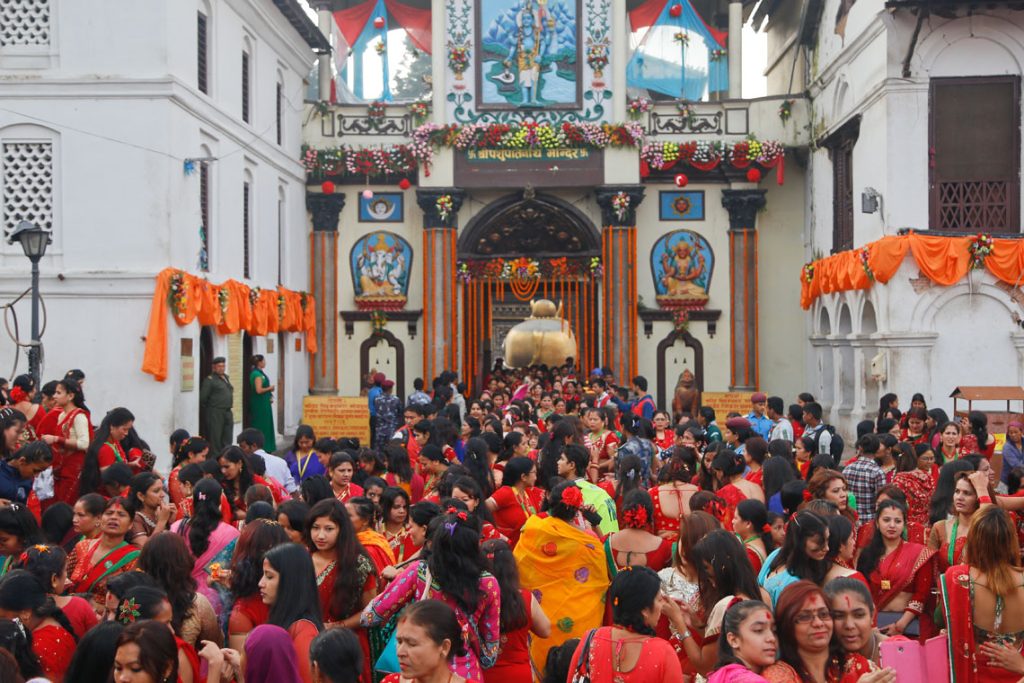
Visiting Pashupatinath Temple is more than a sightseeing experience — it’s a journey into Nepal’s living spirituality. To ensure your visit is both meaningful and respectful, here are a few essential tips:
1. Dress Modestly:
Wear clothing that covers shoulders and knees. This shows respect for the temple’s sanctity and aligns with local customs.
2. Entry Rules:
The main temple is only open to practicing Hindus. However, from across the Bagmati River, particularly close to Arya Ghat, non-Hindu tourists can witness the rites, prayers, and cremation ceremonies.
3. Photography:
Be mindful when taking photos, especially around cremation ghats and during rituals. Always ask permission if unsure, as some areas prohibit photography.
4. Behavior & Silence:
The temple complex is a place of mourning, prayer, and meditation. Keep voices low, avoid public displays of affection, and maintain a calm demeanor.
5. Offerings & Donations:
If you wish to make offerings, use designated donation boxes or consult temple priests. Avoid giving money directly to beggars near the ghats.
6. Guided Tours:
Hiring a licensed local guide can greatly enhance your visit and offer insights into the temple’s history, symbolism, and daily rituals while ensuring cultural sensitivity (NepalHikingTeam).
Visiting with respect and awareness allows you to connect deeply with the spiritual essence of Pashupatinath, making your journey not just memorable, but transformative.
Travel Planning Essentials: Preparing for Your Visit
Being well-prepared makes a visit to Pashupatinath Temple the most fulfilling. Before you leave, make sure you know the following:
Entry Fees:
Entry is free for Indian nationals, while foreign visitors pay NPR 1,000 (around USD 10). The fee supports the temple’s preservation and management (Nepal Tourism Board).
Opening Hours:
The temple is open daily from 4:00 AM to 9:00 PM, with a brief midday closure for temple rituals and cleaning.
Darshan (Viewing) Times:
The best times for darshan are early morning (4:00 AM–12:00 PM) and evening (5:00 PM–9:00 PM), when the atmosphere is serene and rituals are in full rhythm.
Guides & Translation Services:
Knowledgeable local guides and translators are available around the temple premises. They help visitors understand the significance of the rituals, legends, and architectural details.
Accessibility:
Most sections of the temple complex are accessible to visitors of all ages, though some areas near the ghats have uneven steps and may require assistance.
Families planning their visit may find our guide on Family-Friendly Hotels in Kathmandu useful for nearby stay options.
Conclusion: Embracing the Spiritual Essence
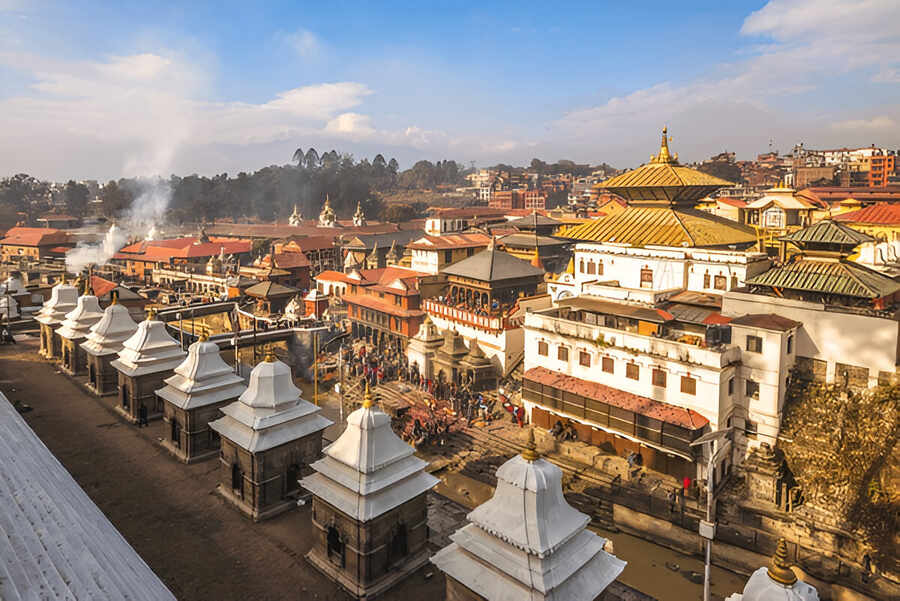
A visit to Pashupatinath Temple is not just a stop on your Kathmandu itinerary. It's a profound journey into Nepal’s spiritual soul. From the golden pagoda roofs shimmering under the sun to the chants echoing along the Bagmati River, every moment reflects centuries of unwavering faith and devotion.
Here, the boundary between the divine and the earthly seems to blur, offering visitors a glimpse into the living traditions of Hinduism. As you walk through its sacred courtyards and witness timeless rituals, you don’t just observe. You feel the pulse of Nepal’s cultural heart.
Whether you come seeking peace, history, or spiritual awakening, Pashupatinath welcomes all with open arms. Visit respectfully, embrace the silence, and let the temple’s ancient energy guide your journey.
Plan your Kathmandu stay near Pashupatinath for a meaningful and unforgettable experience.